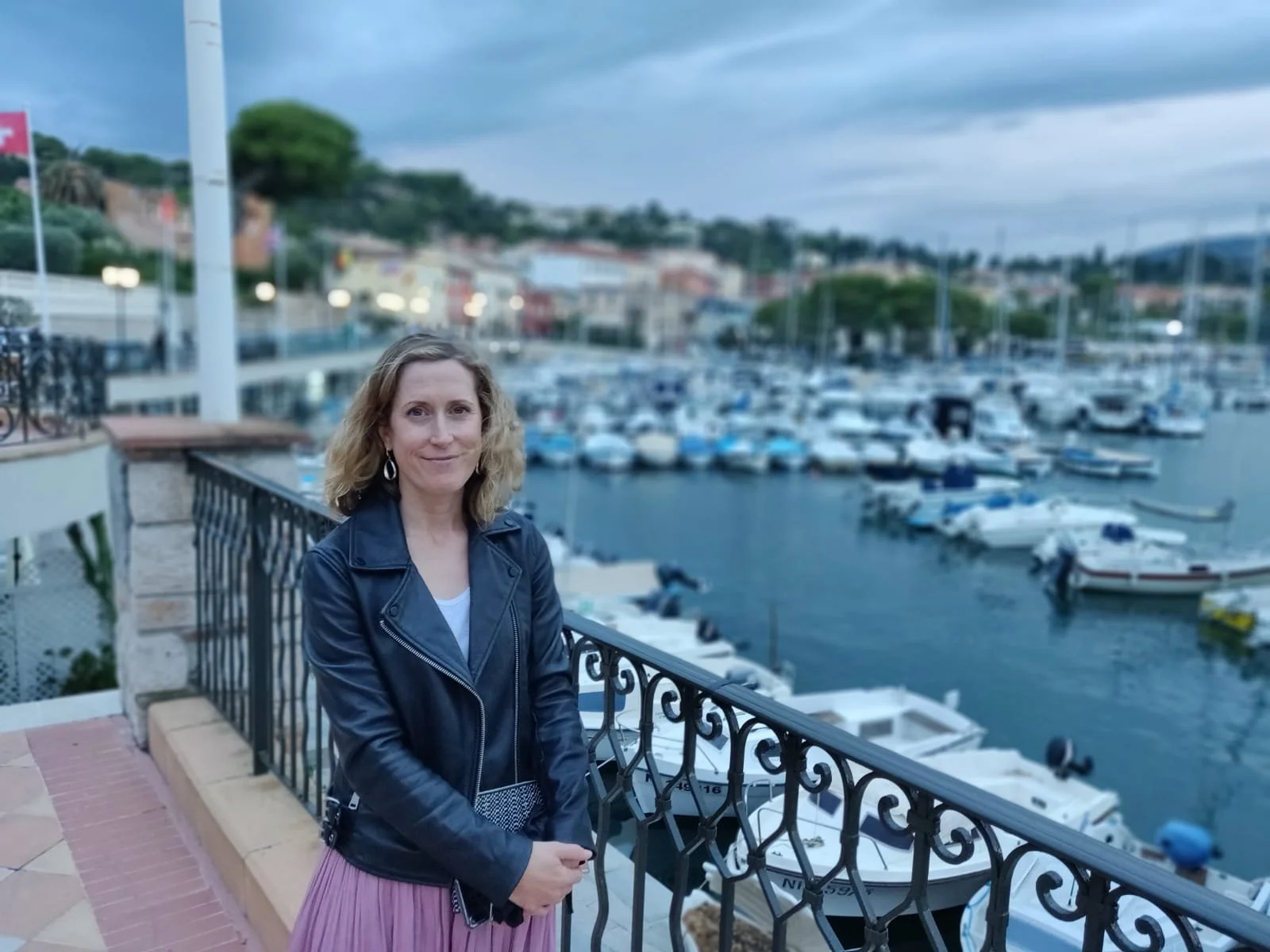
Welcome
The Nicola Karayannis Fellowship supports a year of dedicated clinical and research work at University College London Hospitals, focused on BRAF bowel cancers, which are some of the hardest forms of bowel cancer to treat.
It was established in 2025 inspired by the memory and legacy of Nicola Karayannis by her family and friends, and is sponsored by Dr Khurum Khan, Consultant Medical Oncologist at UCLH, working in collaboration with Professor Marnix Jansen and the UCL Cancer Institute.
What started as a response to the grief of losing our dear Nic - a wonderful and inspirational mum, wife, daughter, sister, friend and colleague - has the chance to leave a real legacy. We know that bowel cancer is growing fast in Under 50s, and for those with the BRAF mutation, the prognosis is challenging.
Every fellowship year funds an up and coming oncologist to split their time between treating patients with gastrointestinal cancers and doing the research that improves how those patients are treated. We'll use this site to celebrate fundraising efforts, to share occasional updates on the Fellow's work and on how the fund is being used.
We’re delighted to welcome Aarav Gupta-Kaistha as the current Fellow, starting September 2026.
Thank you for visiting our site, whatever your interest.
Much love, the Karayannis and Shaw families.
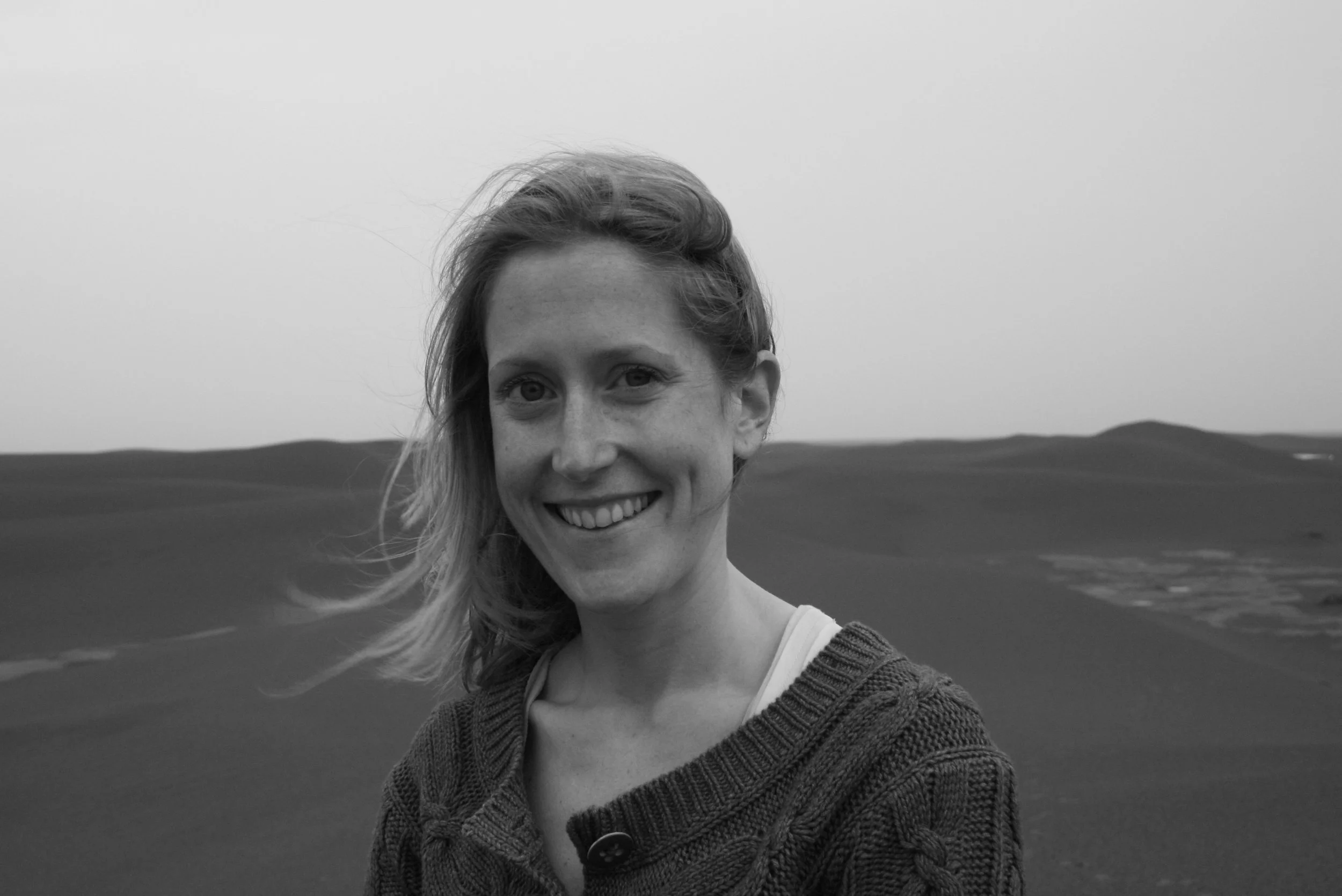
About Nicola
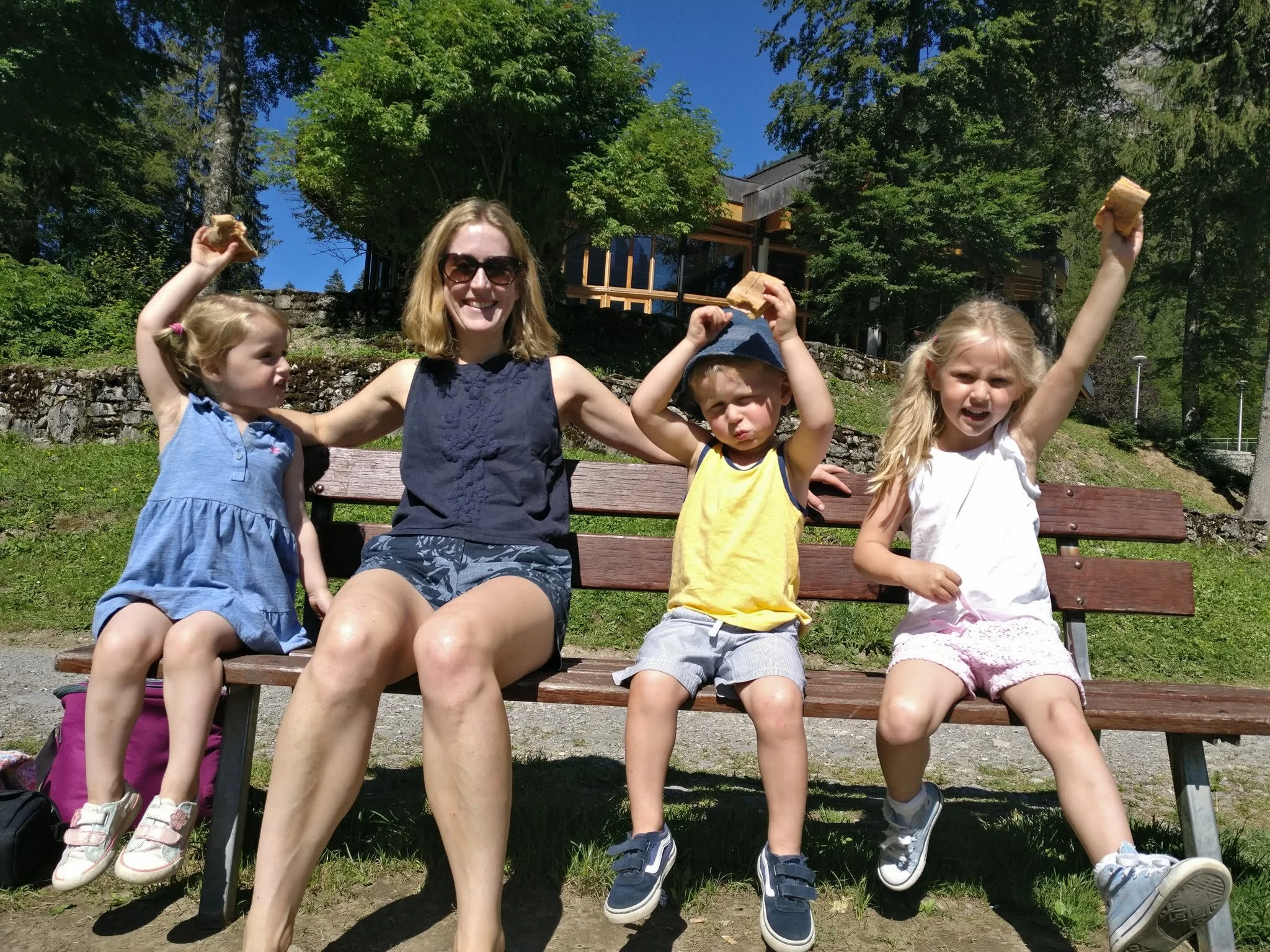
Nicola Karayannis lived a happy life in North London with her husband and 3 children. She was sadly diagnosed with metastatic bowel cancer in December 2023 and died in March 2025. She was 45 years old and had lived a healthy life without any obvious factors that would increase her risk of developing cancer. She did, however, have a genetic mutation in her BRAF gene, which affects around 10% of bowel cancers, and which typically responds poorly to treatment.
Nicola was determined to stay positive and live her life throughout her illness, and was lucky to have access to fantastic medical care through her oncologist Dr Khurum Khan, who is at the forefront of research in this field and ensured that she had access to the latest treatments.
Bowel cancer is growing in the under 50s and has become a global issue, without a clear understanding of the root cause.
We want to build a positive legacy from Nicola’s illness; one that reflects her strength and courage but also her kindness and care for others. Nicola was an inspiration to many, and we hope to use her example to ensure a better outcome for future friends, family and colleagues impacted by this aggressive disease.
We are fortunate and delighted that Dr Khan has agreed to sponsor this important work.
About BRAF bowel cancers
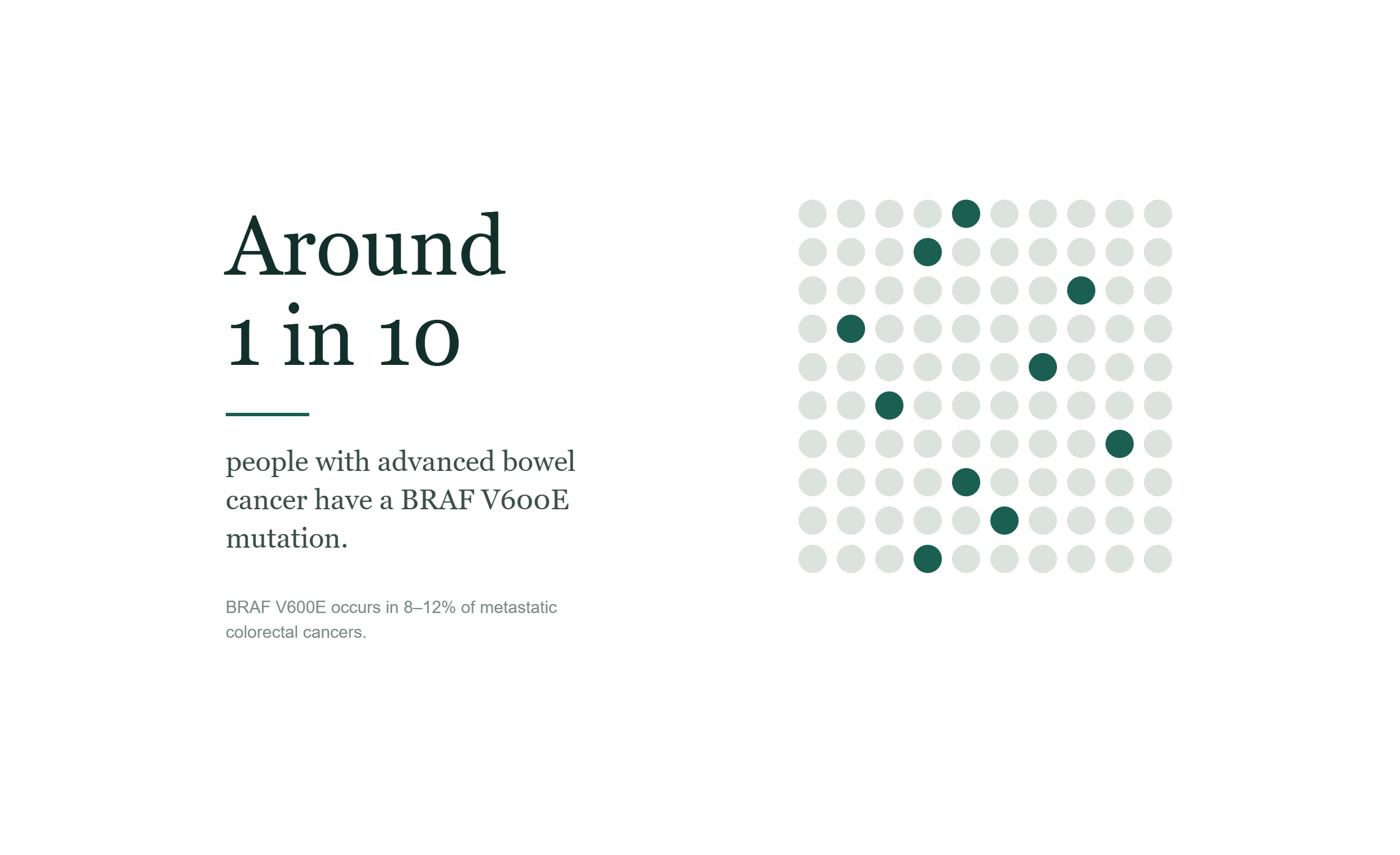
Bowel cancer is not one disease. Around one in ten people with advanced bowel cancer have tumours carrying a specific genetic change called a BRAF V600E mutation, and that change matters enormously.
BRAF-mutant bowel cancer behaves differently. It tends to be more aggressive, it responds poorly to standard chemotherapy, and for many years there was no treatment designed specifically for it. Patients with this mutation have consistently faced worse outcomes than others with the same diagnosis.
That has begun to change. A combination of targeted drugs — encorafenib and cetuximab — was shown to help patients who had already had chemotherapy, and a major international trial has since shown that giving that combination alongside chemotherapy from the start works substantially better than the previous standard of care. It is the first treatment approach developed specifically for this group of patients, and it has meaningfully extended how long they live.
But "better" is not "solved". Most tumours eventually find a way around these drugs. We don't yet know reliably which patients will benefit most, or how to anticipate and overcome resistance when it develops. Because BRAF-mutant disease affects a minority of patients, it also attracts a fraction of the research attention that bowel cancer as a whole receives.
That gap is where this Fellowship sits.
About the Fellowship
The Nicola Karayannis Fellowship in Gastrointestinal Medical Oncology is a twelve-month post at University College London Hospitals, the first of its kind there. The Fellow splits their time equally between clinic — treating patients with complex gastrointestinal cancers as part of UCLH’s multidisciplinary team — and protected research time on BRAF-mutant disease.
That design is deliberate. Protected research time is one of the scarcest things in the NHS, and clinicians who want to do research usually have to find it around a full clinical load. A funded year lets a talented oncologist start work that would otherwise never begin, and build a career on it. The aim is not only the research, but the people the Fellowship develops.
The Fellowship is sponsored by Dr Khurum Khan, who was Nicola's oncologist, with Professor Marnix Jansen of the UCL Cancer Institute. The Fellow for the current year is Aarav Gupta-Kaistha, who joins from the Royal Marsden.
The Fellowship is funded entirely through donations, held and administered by University College London Hospitals Charity. One hundred per cent of what is given goes to this work.
About UCLH
University College London Hospitals NHS Foundation Trust is one of the UK’s largest and most research-active hospital trusts, and what makes it unusual is how closely the hospital and the university sit together. Through the NIHR Biomedical Research Centre — one of the first established in England — UCLH works in partnership with UCL to turn laboratory science into treatments patients can actually receive, and the two together form a Cancer Research UK Centre and an Experimental Cancer Medicine Centre. The Fellowship is held and administered by University College London Hospitals Charity, the official charity of the Trust, which provides around £10 million a year to patients, staff and research at UCLH.
University College London Hospitals Charity is a registered charity, number 1165398.
About UCL Cancer Institute
The UCL Cancer Institute is University College London’s hub for cancer research — around 400 scientists across cancer biology and pathology, haematology, oncology and clinical trials — and it is where the Fellowship’s laboratory work happens, alongside Professor Marnix Jansen and using facilities no individual research group could maintain alone. UCL and UCLH are separate organisations: the hospital treats patients, the university does the science. Questions move from one to the other and back again in the same week, which is what makes this part of London unusual.

About Aarav
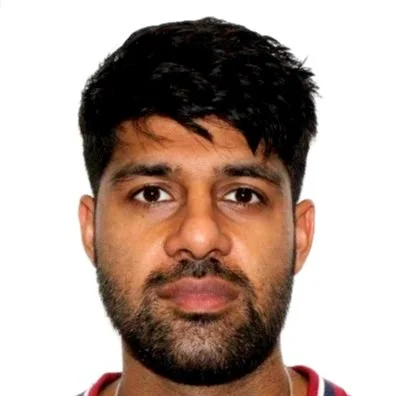
I am both delighted and honoured to have the opportunity to spend this year working as the first Nicola Karayannis fellow. I am currently a medical oncology registrar at the Royal Marsden Hospital and am undertaking an out of programme research year to embark upon this fellowship with the hope to gain new skills, offer meaningful academic contribution and ultimately improve outcomes for both BRAF mutated colorectal cancer patients and cancer patients in general through increased understanding of the disease biology.
My focus and passion has always revolved around patient centred care with the aim of understanding individual lives and stories to help support people through what is often a life changing diagnosis, and the subsequent intensive treatments they may receive. This fellowship offers the perfect opportunity to link my passion for clinical care with time to engage in academic projects, including original research and laboratory based work at the University College London Institute. In time, I feel this fellowship will make me a more rounded oncologist with the research and clinical experience to offer unique insights into the care of individual colorectal cancer patients, but also to help support shape the future of oncology care in the UK. In the long term future, I hope to be involved in running clinical trials that aim to progress and expand treatment options available to patients.
Outside of work, I love to spend time with family and friends, keep active, go to the cinema and watch my beloved Nottingham Forest!
About Dr Khurum Khan
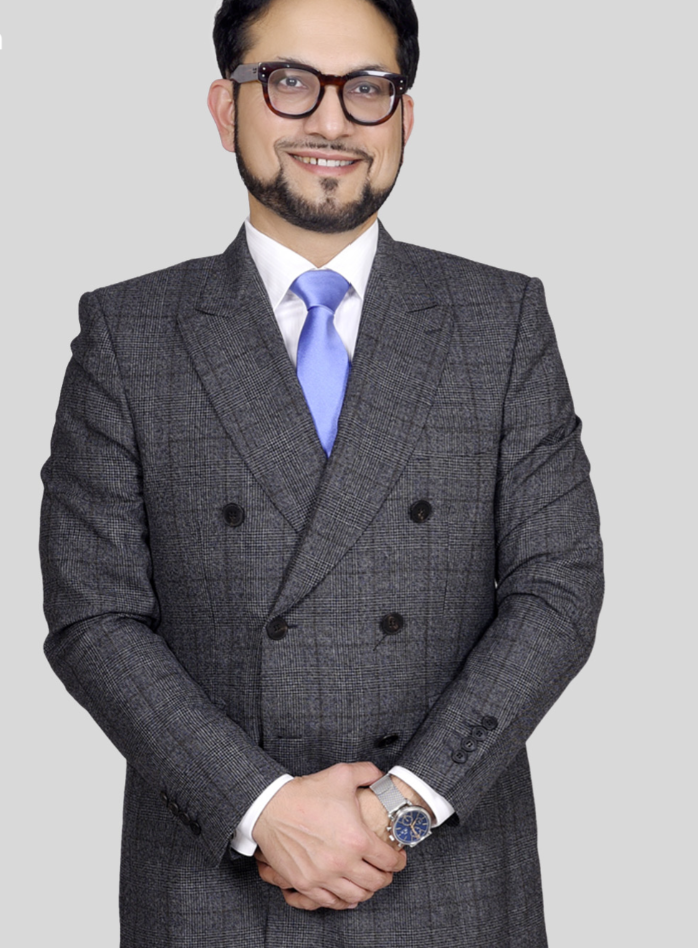
Dr Khurum Khan is a Consultant Medical Oncologist at University College London Hospitals, Honorary Associate Professor of Cancer Medicine at UCL, and Clinical Associate Professor at Northwestern University Feinberg School of Medicine. He specialises in gastrointestinal cancers, particularly pancreatic and colorectal cancer, with a research focus on precision oncology, treatment resistance and developing more personalised approaches to cancer treatment.
He trained at the Royal Marsden and the Northern Ireland Cancer Centre and completed his research doctorate at the Institute of Cancer Research, studying the mechanisms underlying resistance to targeted therapies in advanced bowel cancer — a question that remains central to his research today and closely aligned with the aims of this Fellowship.
Dr Khan has established a strong academic and translational research programme spanning circulating tumour DNA, molecular biomarkers, patient-derived models and novel treatment approaches. He has held senior research and clinical-trial leadership roles, including as a Principal Investigator and Chief Investigator on international studies, and has secured competitive research funding for translational programmes in pancreatic and colorectal cancer. He previously served as regional gastrointestinal research lead and continues to contribute to the development of clinical research across London.
His research has been published in leading international journals including Science, Cancer Cell, Cancer Discovery, Nature Genetics, Clinical Cancer Research, JAMA Oncology, BMJ, BJC, Gatsroenterology and Gut. He is also an active international academic, with invited presentations at major cancer centres and international oncology meetings. His appointment as Clinical Associate Professor at Northwestern University Feinberg School of Medicine provides a formal academic platform for collaboration between researchers in the UK and United States, strengthening opportunities for transatlantic research and the exchange of expertise in precision oncology.
Alongside his academic and research work, Dr Khan places particular emphasis on patient-centred care and meaningful patient outcomes. His clinical practice is informed by the principle that advances in cancer research should ultimately translate into outcomes that matter to patients — including longer survival, better quality of life, more personalised treatment and access to the right treatment at the right time. His commitment to patients has been recognised through the MARS Medical Devotion Award, received in June 2026, as well as his recognition as a finalist for the UCLH Celebrating Excellence Award for Top Quality Patient Care.
In 2025, he was awarded the Tamgha-e-Imtiaz by the Government of Pakistan in recognition of his contribution to cancer care and global oncology education.
Dr Khan was Nicola's oncologist, and he supports this Fellowship in her memory. Through the Fellowship, he hopes to help advance research into the biology of cancer and treatment resistance, while ensuring that scientific discoveries ultimately lead to better and more meaningful outcomes for patients.
About Prof Marnix Jansen
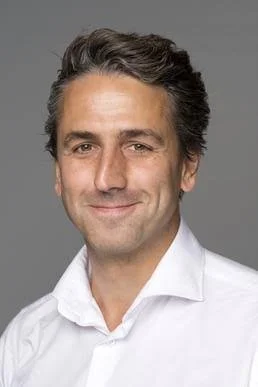
Professor Marnix Jansen leads a research group at the UCL Cancer Institute and is a consultant pathologist at UCLH.
Pathologists are the doctors who examine tissue itself — the specialists who determine what a tumour actually is, how it is behaving, and what it is likely to do next. Trained in Amsterdam, Utrecht and Tokyo, he came to the UK on a Dutch Cancer Society fellowship and then held a Cancer Research UK Clinician Scientist Fellowship at UCL, where his work has focused on how cancers evolve at the cellular level and on reading tissue to predict which patients face the greatest risk. Those methods are not specific to one cancer, and they are what he brings to the Fellowship: the ability to look at a tumour sample and extract from it information that is not visible in a scan or a blood test.
He supervises Aarav’s laboratory work at the Cancer Institute and is leading the enquiry into whether the immune systems of some patients with BRAF-mutant disease are already responding to their tumours in ways that could be built on. Like Dr Khan, he continues to work in the hospital as well as the laboratory — which is what allows the Fellowship’s clinical and scientific sides to stay joined up.
Support the Fellowship
This Fellowship exists because people gave. It has no endowment and no institutional funding behind it — each year is paid for by friends, families, colleagues and strangers who decided it was worth doing.
Every pound donated goes to the Fellowship and to Dr Khan's research. Donations are held by University College London Hospitals Charity, the registered charity for UCLH.
A full year costs around £100,000. That is one specialist oncologist, twelve months, half in clinic and half on research into a disease that has been overlooked for too long. Any amount moves that forward — £250 funds another day of research time that would not otherwise exist.
If you pay UK tax, adding Gift Aid increases your gift by a quarter at no cost to you. If your employer matches charitable giving — many do, and most people never ask — it is the simplest way to double what you give.
You can also fundraise in your own way, give in memory of someone, or leave a gift in your will. UCLH Charity will help with any of it, and we are always glad to hear from people who want to get involved: